
“Slip-and-fall” is the phrase most people use for any fall in a store, restaurant, or apartment complex — but trip-and-fall cases can involve different liability issues and different proof. If you were injured from a slip- or a trip-and-fall in Oklahoma, understanding the distinction helps you focus on the evidence that actually moves a claim forward.
Slip vs. Trip: What’s the Difference?
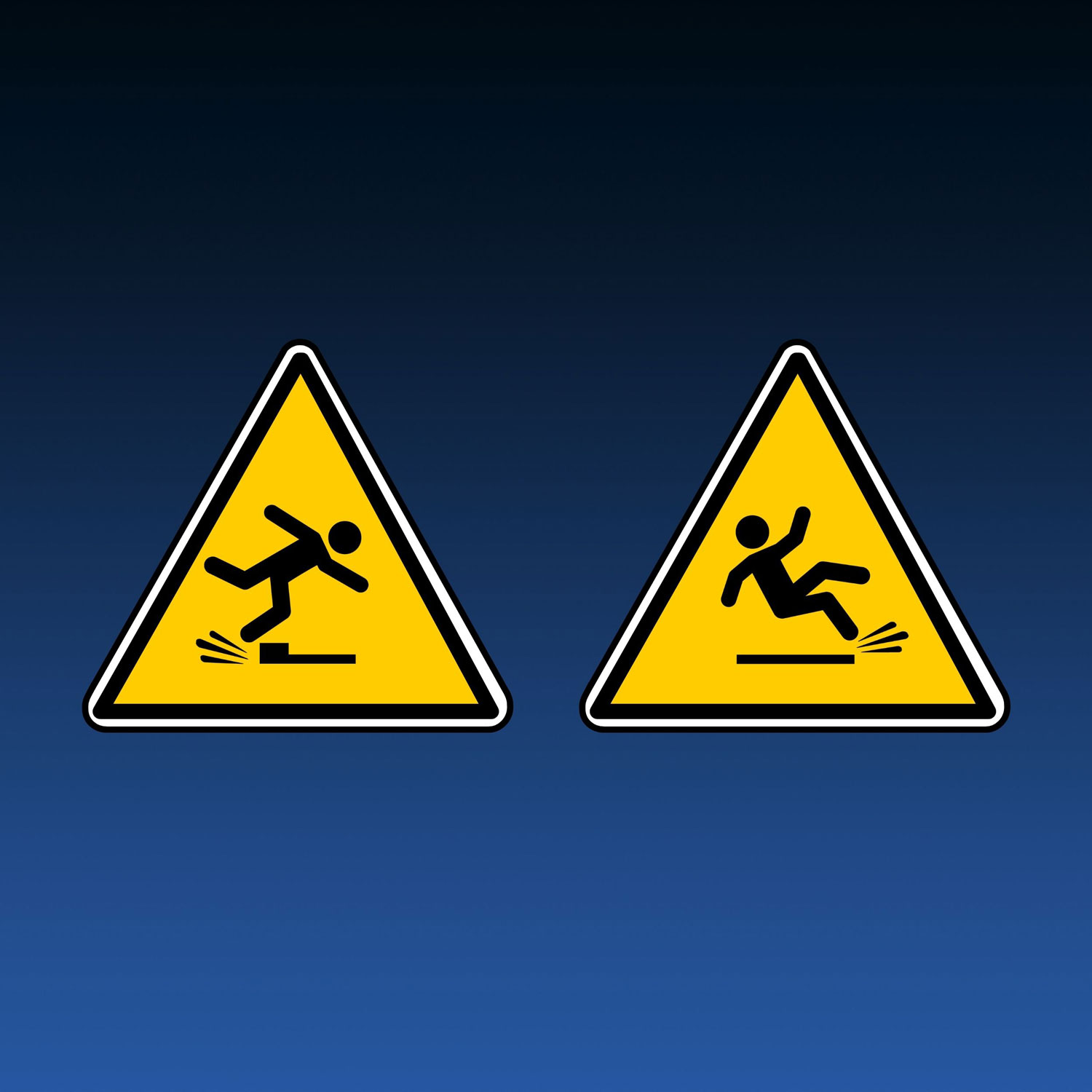
- Slip-and-fall: Your foot loses traction — often because of a temporary hazard like a spill, leaked product, tracked-in rain, grease, or an overly slick floor finish.
- Trip-and-fall: Your foot catches on something — often a structural or “fixed” hazard like a curled mat, uneven flooring, a broken tile, a raised threshold, a pothole, or clutter left in a walkway.
Both fall under premises liability, and a business generally owes customers (invitees) a duty to use ordinary care to keep premises reasonably safe and to remove or warn of hidden dangers it knows about (or should know about through reasonable care).
Liability Difference #1:
“Notice” is Usually Harder in Slip-and-Fall Cases
With a slip hazard (like a liquid spill), the key dispute is often: How long was it there? Businesses commonly argue they didn’t know about it in time to fix it.
That’s why slip cases frequently hinge on actual notice (an employee knew) or constructive notice (it was there long enough that reasonable inspections should have found it).
Evidence that matters most in slip-and-fall cases:
- Surveillance video showing when the spill appeared
- Cleaning/inspection logs and store policies
- Photos of the substance, lack of warning signs, and the surrounding area
Liability Difference #2:
Trip Hazards May Point to Long-Term Maintenance Problems
Trip-and-fall hazards are often “there every day” defects: uneven concrete, a warped mat, or a broken step. Because these conditions can exist for weeks or months, constructive notice may be easier to prove — especially if employees walk past it routinely or if there were prior complaints.
Trip-and-fall cases also more often raise questions like:
- Who created the hazard? (store employee vs. another customer vs. a contractor)
- Who controlled that area? (tenant business vs. property owner/management)
Evidence that matters most in trip-and-fall cases:
- Measurements (height difference, depth of hazard, edge of a threshold)
- Photos from multiple angles and distances
- Maintenance records, work orders, prior complaints, and repair history
Liability Difference #3:
The “Open and Obvious” Defense — Especially in Trip-and-Fall Cases
Businesses often defend trip-and-fall claims by saying the condition was “open and obvious,” meaning a reasonable person would have seen and avoided it.
But Oklahoma law isn’t always that simple. The Oklahoma Supreme Court has recognized circumstances where a property owner can still have a duty to protect an invitee from a hazardous condition when harm is foreseeable, even when the invitee was aware of it.
Liability Difference #4:
Comparative Fault is a Real Issue in Both
Even with a dangerous condition, insurers may argue the injured person shares blame (texting while walking, wearing unstable shoes, not using a handrail, taking an unsafe shortcut). Oklahoma uses modified comparative negligence, which can reduce recovery based on your percentage of fault — and can prevent recovery if your fault is greater than the other side’s (or greater than the combined fault of multiple defendants).
The Takeaway
Slip-and-fall cases often turn on timing and inspections. Trip-and-fall cases often turn on maintenance, measurements, and who created or controlled the hazard. Either way, early documentation, witness info, and preserving video can make the difference between a denied claim and a strong one.
Contact Kremer Law today to speak with a skilled personal injury attorney experienced in both slip-and-fall and trip-and-fall cases.
Unsure if your case is worth pursuing?
If you’re dealing with ongoing pain, missed work, or frustration with insurance, it’s time to get answers.