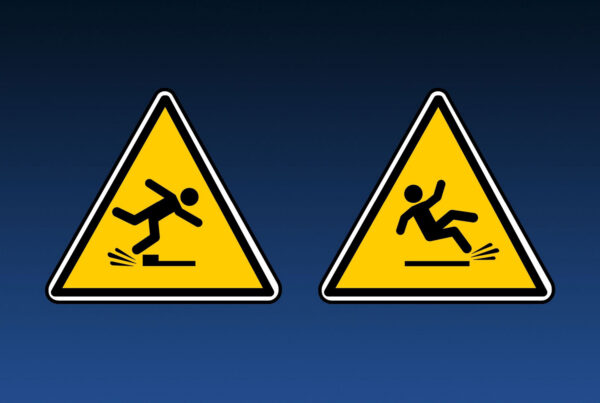

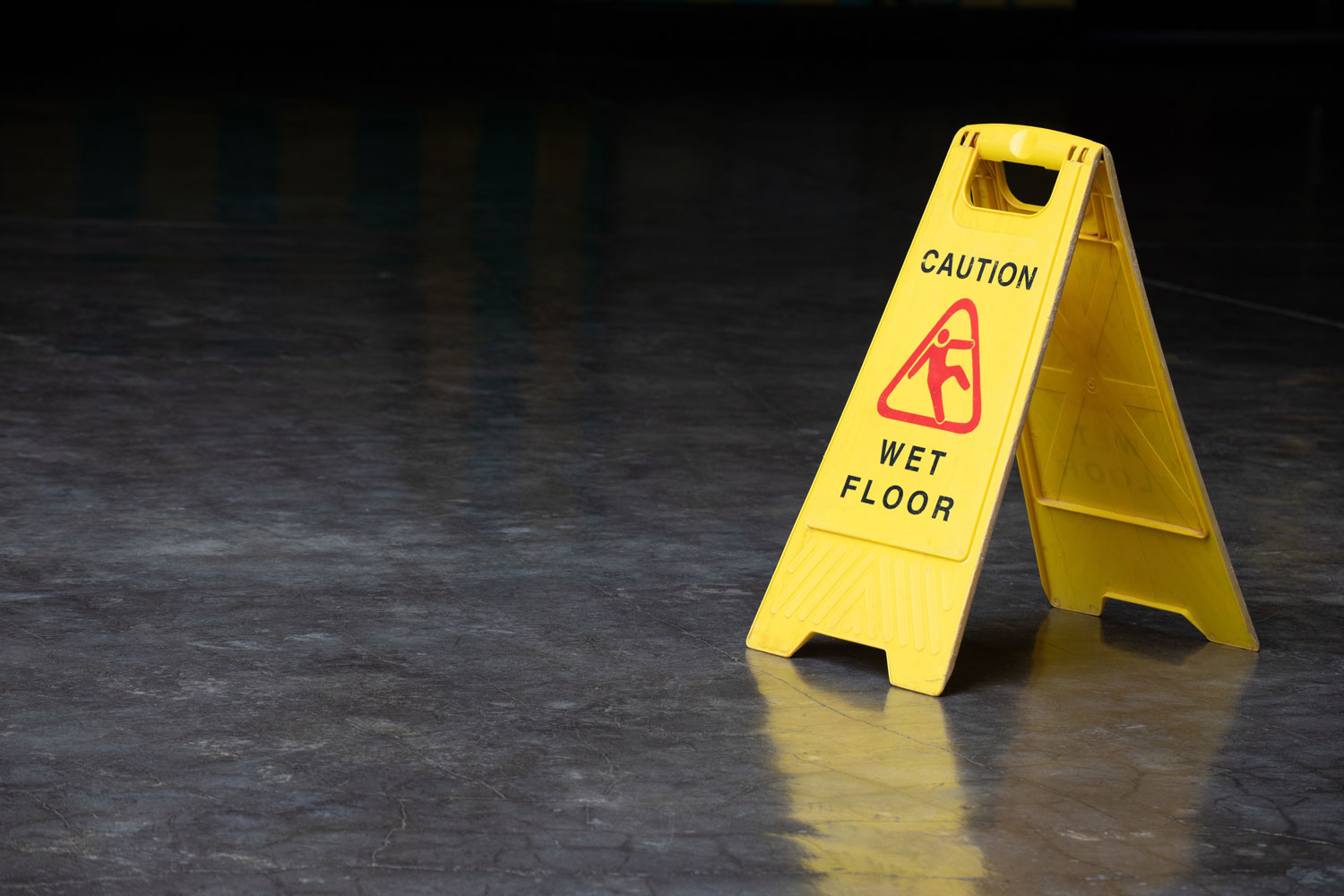
You’ve probably seen the yellow “Caution: Wet Floor” sign in grocery aisles, restaurant entryways, and big-box stores across Oklahoma City. After a slip-and-fall, businesses (and their insurers) often point to that sign as if it ends the conversation.
In most cases, no — wet floor signs do not automatically protect a business from liability. A sign is just one piece of the puzzle, and Oklahoma premises cases typically come down to whether the business acted reasonably under the circumstances.
Why a Sign Isn’t a “Free Pass” in Oklahoma
Under Oklahoma law, a business generally owes invitees (customers) a duty to use ordinary care and warn of dangers the business knows (or should know) about that are unknown to the customer. Courts have also stated there’s generally no duty to warn about a danger that is as well-known to the invitee as it is to the owner, or that is obvious and should be observed with ordinary care.
A wet floor sign matters because it’s evidence the store is trying to warn. But the real question becomes:
Was that warning adequate? And did the business do enough beyond the warning?
When a Wet Floor Sign Can Help a Business’s Defense
A “Caution” sign may strengthen the business’s position if the evidence shows:
- The sign was placed before customers encountered the hazard
- It was visible and close to the wet area (not around the corner or hidden)
- The wet area was limited, and customers had a reasonable way to avoid it
- Employees promptly cleaned/dried the area or blocked it off
- The business followed reasonable safety practices (inspection/cleaning procedures)
In other words, the sign can support an argument that the business used reasonable care.
When a Wet Floor Sign May Not Be Enough
A wet floor sign doesn’t erase negligence if the overall situation was still unreasonably dangerous. Examples include:
- Late placement: The sign appears only after someone falls.
- Bad placement: The sign is too far away, not in the line of sight, or blocked by displays.
- Bigger hazard than the warning: A small sign for a large wet zone, multiple slick spots, or tracked water stretching beyond the “warning area.”
- The business created the hazard: For instance, heavy mopping with no drying plan, leaking equipment, or floor treatment that’s slick even when “just a little damp.”
- No real alternative route: If customers must pass through the hazard to exit, reach checkout, or access restrooms, a jury may view “we put up a warning sign” as inadequate.
Oklahoma courts have also recognized situations where a property owner can still have a duty to take precautions even when a hazard is known or observable — particularly when it’s foreseeable people will proceed anyway, as in when someone is effectively compelled to encounter the condition.
The Insurance Issue: The Sign May Be Used to Blame You
Even if the business was careless, insurers often argue: “You saw the sign, so it’s your fault.” Oklahoma follows a modified comparative negligence rule, meaning your compensation can be reduced by your share of fault — and in some situations barred if your negligence is greater than the other party’s (or greater than the combined negligence of multiple parties).
What to Document If You Fall Near a Wet Floor Sign
If you’re able, try to capture:
- The exact position of the sign compared to where you fell
- Photos/video of the wet area (wide + close-up shots)
- Lighting, visibility, and whether the sign was blocked
- Witness names and what they saw
- Whether employees were actively cleaning and how
Bottom Line
A “Caution: Wet Floor” sign is not automatic immunity. The key questions are whether the warning was timely, clear, and adequate, and whether the business took reasonable steps to fix or control the hazard — not just announce it.
Unsure if your case is worth pursuing?
If you’re dealing with ongoing pain, missed work, or frustration with insurance, it’s time to get answers.